
Tiny retro toy or true handheld PC? The value gap is enormous
These two products are aimed at very different buyers, even though both fit the broad idea of a handheld gaming device. One is a £19.99 mini arcade novelty with 240 built-in 8-bit games, while the other is a £449 Windows handheld built to run modern PC games and emulators. If you want the best choice for actual gaming capability, screen quality, and long-term usefulness, the decision is straightforward. If you just want a cheap retro distraction, the smaller Orb Gaming unit has a place.
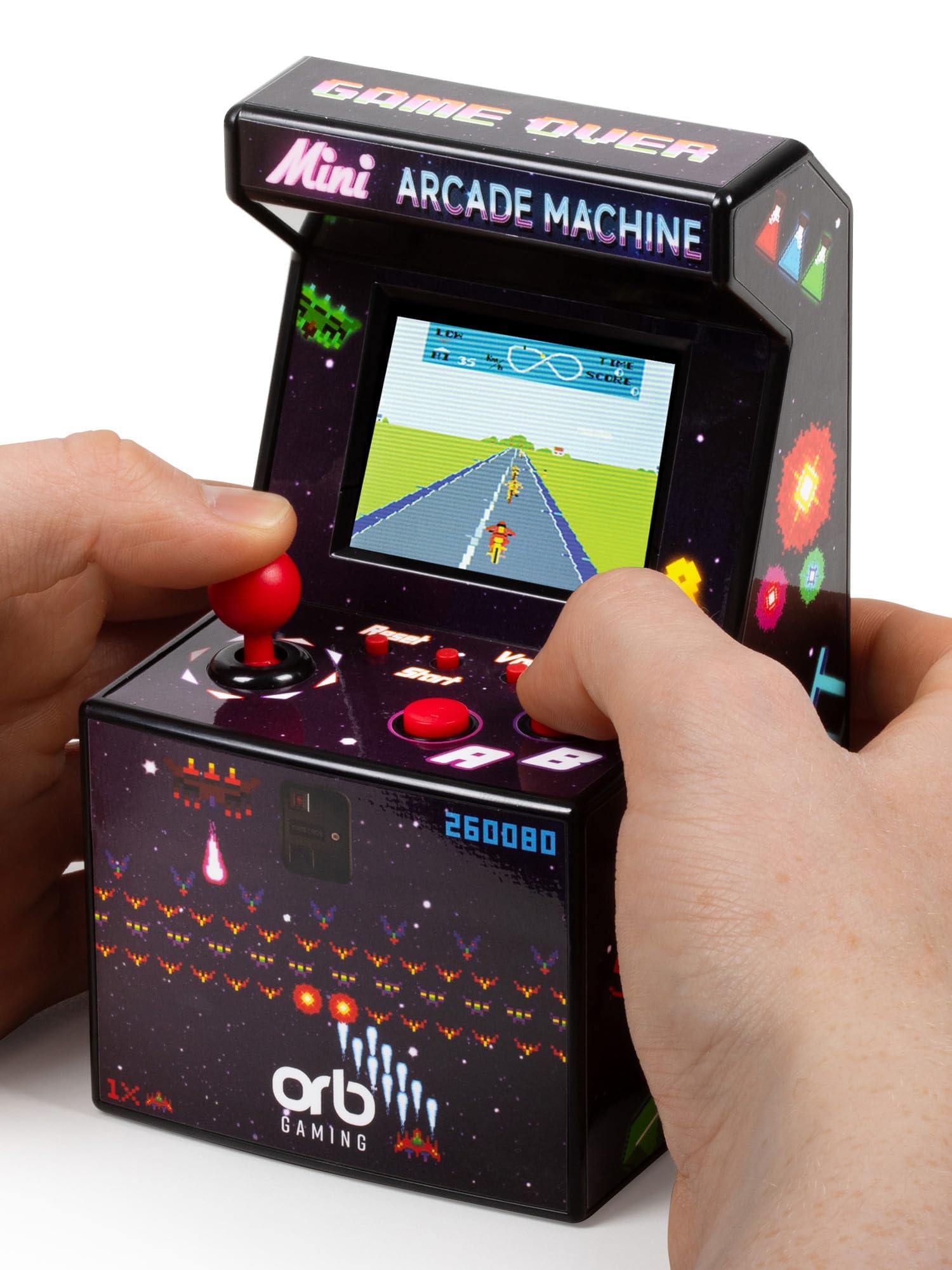
Mini Arcade Machine, 240 Built-In 8-Bit Games, 2.5” Full Colour Screen, 8-Way Joystick, Handheld Retro Games Console – Orb Gaming by ThumbsUp!
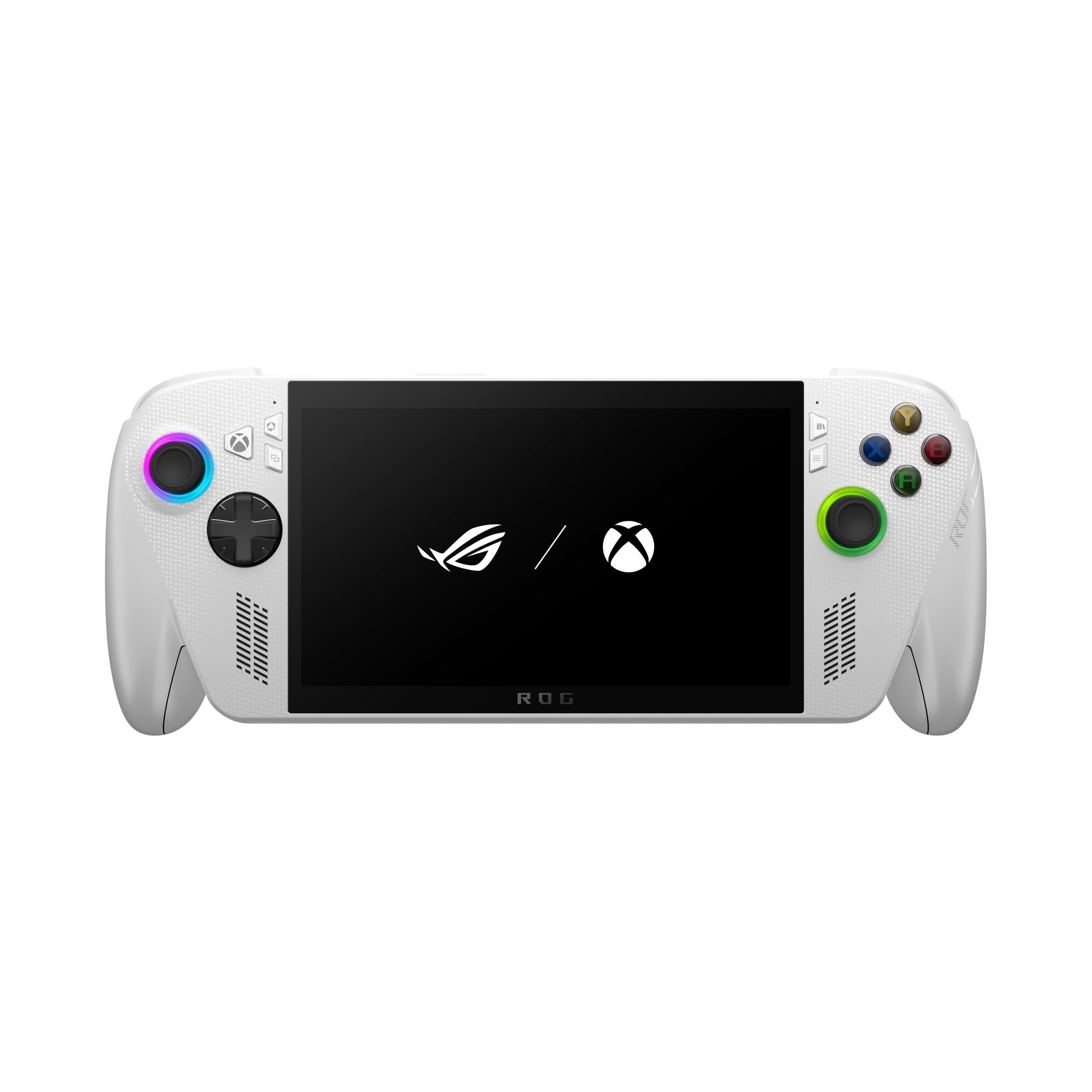
ASUS ROG Xbox Ally | Handheld Gaming Console | AMD Ryzen Z2 A Processor | 7" Full HD 120Hz IPS 500nits Touchscreen | 16GB RAM | 512GB PCIe SSD | Windows 11
Our Recommendation
The ASUS ROG Xbox Ally is the clear buy because it is a true handheld gaming system, not just a retro novelty. Its 7-inch 120Hz Full HD touchscreen, Ryzen Z2 A processor, 16GB RAM, and 512GB SSD give it massively better performance and usability than the tiny 2.5-inch, 240-game mini arcade. Product A is much cheaper, but the ASUS delivers real value for anyone who wants a serious portable gaming experience.
Detailed Comparison
Display
Product B wins easily. The ASUS ROG Xbox Ally has a 7-inch Full HD 120Hz IPS touchscreen with 500 nits of brightness, which is a huge step up in every measurable way: size, sharpness, smoothness, and outdoor usability. Product A’s 2.5-inch full-colour screen is more of a novelty display than a serious gaming panel. On the Orb Gaming mini arcade, the tiny size makes text hard to read and gameplay cramped, while the ASUS screen is large enough for modern interfaces, action games, and comfortable extended play.
Performance
Product B wins by a massive margin. The ASUS ROG Xbox Ally uses an AMD Ryzen Z2 A processor, 16GB of RAM, and a 512GB PCIe SSD, which puts it in the category of a full Windows handheld gaming PC. That means it can run far more demanding games, launch modern storefronts, and handle emulation and multitasking without the limitations of a fixed game list. Product A is a simple dedicated retro device with 240 built-in 8-bit games, so its performance is only relevant to those preloaded titles. It can’t compete on processing power, storage speed, or game variety.
Build quality and design
This one depends on the goal, but Product B still wins overall. The ASUS is a premium handheld with a proper 7-inch touchscreen, modern controls, and a design meant for serious portable gaming. It is larger and more complex, but it feels like a real gaming machine rather than a toy. Product A’s strength is its compact, lightweight arcade cabinet style, which is charming and easy to pick up, but it is clearly built as a budget novelty item. The 8-way joystick is appropriate for retro games, yet the overall experience is limited by the tiny form factor and the fact that it’s designed around a fixed set of simple games.
Battery life
Product A likely wins on endurance, but with an important caveat. A small device with a 2.5-inch screen and very low-power 8-bit games should generally last a long time on modest batteries, and its hardware demands are minimal. The ASUS ROG Xbox Ally, by contrast, has to power a large 120Hz display, Windows 11, and a much more capable processor, so battery life will naturally be more variable and usually shorter under load. That said, Product A’s battery advantage is only useful if you are happy with its limited game library. For real-world gaming usefulness, Product B’s shorter battery life is the trade-off for vastly better capability.
Price and value for money
Product A wins on raw affordability, but Product B wins on value. At £19.99, the Orb Gaming mini arcade is extremely cheap and easy to justify as a stocking filler, desk toy, or casual retro gift. However, its value is capped because it only offers 240 built-in 8-bit games and a tiny screen. The ASUS ROG Xbox Ally costs £449, which is £429.01 more, but that price buys a modern handheld PC with a far larger game library, better controls, a high-quality display, and much more future-proof hardware. If you want something that can genuinely replace or supplement a gaming PC handheld experience, the ASUS is the better investment.
Game library and features
Product B wins decisively. Product A includes 240 built-in 8-bit games, which sounds generous at first, but these are fixed titles with no expansion path and limited depth. It is essentially a closed retro collection. Product B runs Windows 11, so its game library is only limited by PC compatibility, storage space, and your subscriptions or storefronts. That means access to modern PC games, retro emulation, cloud gaming, and a much wider feature set. For features alone, the ASUS also brings a touchscreen, higher refresh rate, and a proper SSD, all of which make it more versatile.
Overall user experience
Product B wins for anyone who actually wants to game seriously. The ASUS ROG Xbox Ally offers a much more complete, comfortable, and capable experience: bigger screen, better controls, modern software, and real performance headroom. Product A is fun in a very narrow sense, but the tiny display and fixed retro library make it best as a novelty or casual gift rather than a primary gaming device. The review scores are both decent, with Product A at 4.3/5 from 2,451 reviews and Product B at 4.2/5 from 288 reviews, but those ratings do not change the fact that the ASUS is in a completely different class of hardware.
Overall summary: if you want a cheap, charming retro trinket, Product A is fine. If you want the better handheld gaming device by a wide margin, Product B is the clear winner. It offers dramatically better screen quality, far superior performance, a vastly larger game library, and a far more satisfying long-term ownership experience.
Buy the Mini Arcade Machine, if...
Buy Product A if you want the cheapest possible retro gift, desk toy, or impulse purchase and do not care about modern games. It is also the better pick if you specifically want a tiny self-contained device with simple built-in 8-bit games and the lowest upfront cost. For casual nostalgia at £19.99, it does the job.
Buy the ASUS ROG Xbox if...
Buy Product B if you want one handheld that can handle modern PC gaming, emulation, and a much wider library through Windows 11. It is the right choice if screen quality, control comfort, and long-term usefulness matter more than price. If this is your main portable gaming device, the ASUS is the one to get.
Curated by Light Gun Gamer on All The Top Picks
As an Amazon Associate we earn from qualifying purchases.