
ROG Ally vs ROG Xbox Ally: Which Handheld Is the Smarter Buy?
If you’re choosing between these two ASUS handhelds, you’re really deciding between a proven performance-first Windows gaming device and a newer, more budget-friendly variant with a different chip strategy. Both share the same 7-inch 1080p 120Hz 500-nit display, 16GB RAM, 512GB SSD, and Windows 11, so the real differences come down to the processor, value, and what kind of gaming experience you want. This comparison is aimed at buyers who want a definitive answer, not a spec sheet recitation. The short version: one is the safer all-rounder, but the other may be the better deal if you can confirm it fits your needs.

ASUS ROG Ally Handheld Gaming Console (AMD Ryzen Z1 Extreme Processor | 7" Full HD 120Hz IPS 500nits Touchscreen | 16GB RAM | 512GB PCIe SSD | AMD Radeon Graphics | Windows 11 | 3 Months Xbox GamePass
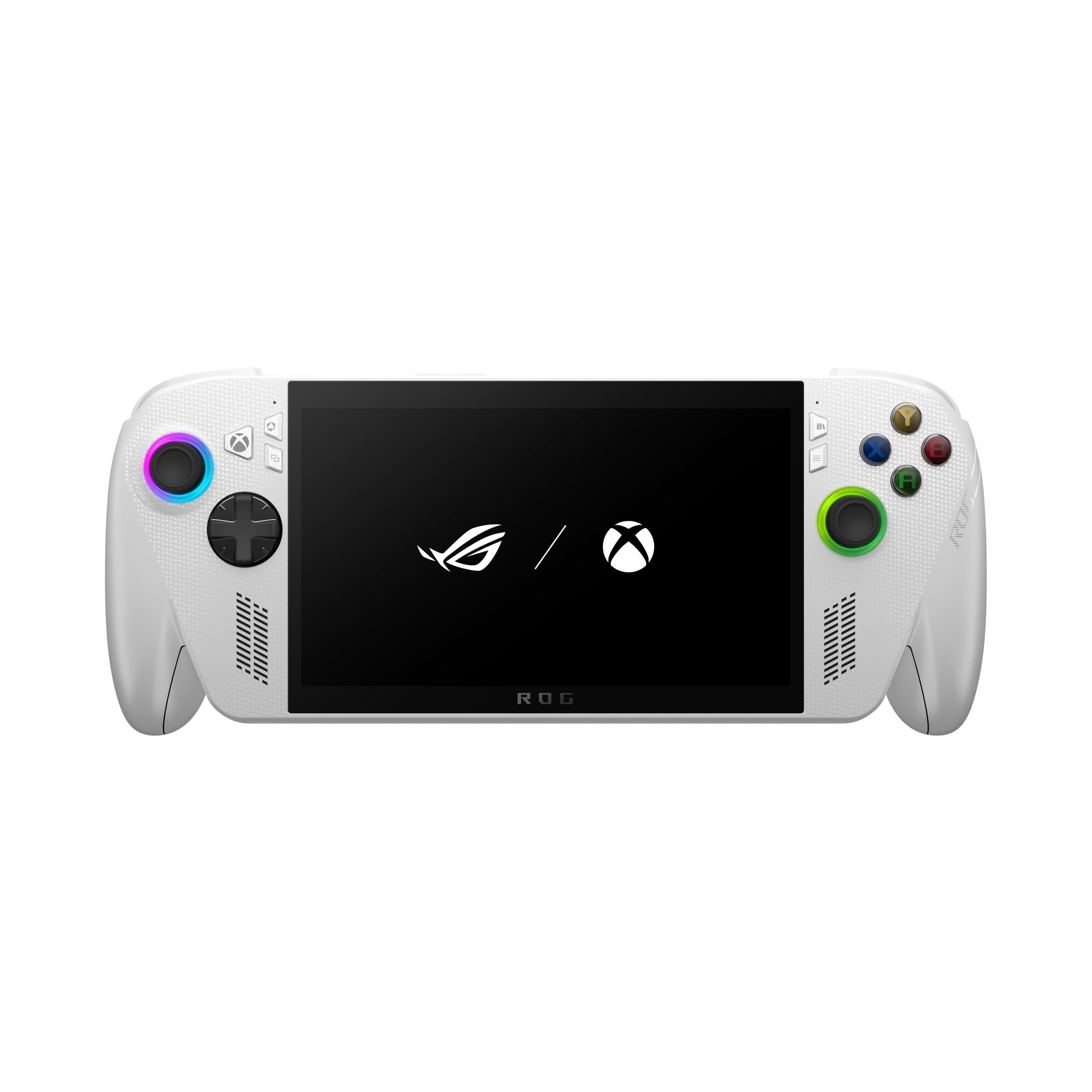
ASUS ROG Xbox Ally | Handheld Gaming Console | AMD Ryzen Z2 A Processor | 7" Full HD 120Hz IPS 500nits Touchscreen | 16GB RAM | 512GB PCIe SSD | Windows 11
Our Recommendation
Product A is the better buy for most people because the Ryzen Z1 Extreme is the stronger and better-proven gaming chip. It should deliver higher frame rates, better headroom in demanding titles, and a more confident overall Windows handheld experience. Product A also includes 3 months of Xbox Game Pass, which adds immediate value. Product B only really wins if its lower price and likely better efficiency matter more than top-tier performance.
Detailed Comparison
Display
This category is essentially a tie. Both Product A and Product B use the same 7-inch Full HD 120Hz IPS touchscreen rated at 500 nits, so you should expect the same sharpness, smoothness, and outdoor visibility potential from either device. For handheld gaming, that means both can deliver crisp 1080p UI and fluid motion in supported titles, with no meaningful advantage in panel quality based on the listed specs. Winner: tie.
Performance
Product A wins decisively here. The ASUS ROG Ally uses the AMD Ryzen Z1 Extreme, which is a known high-performance handheld APU with 8 cores and 16 threads, and it has established itself as one of the fastest chips in this class. Product B uses the AMD Ryzen Z2 A Processor, but the listing does not provide enough detail to show it outperforms the Z1 Extreme; based on the naming and positioning, Product A is the safer bet for raw gaming performance, emulation headroom, and higher frame rates in demanding PC games. If you want the handheld that is more likely to handle heavier AAA games at better settings and maintain stronger performance over time, Product A is the winner.
Build quality and design
This is close, but Product A gets the edge because it is the more established and well-understood machine. Both devices come from ASUS, both run Windows 11, and both are built around the same screen size and core handheld form factor, so ergonomics should be broadly similar. However, Product A has the advantage of a longer track record, which matters for a device where software polish, thermals, and real-world behavior are as important as hardware specs. Product B may be newer and may benefit from a more Xbox-branded experience, but with the information provided, Product A’s proven design makes it the more reliable pick. Winner: Product A.
Battery life
Product B likely has the advantage, or at least the better efficiency potential. The Ryzen Z2 A is positioned as a newer, lower-tier chip than the Z1 Extreme, and lower-power silicon often translates into improved battery life and cooler operation in handheld use. Since both devices share the same display and battery-related hardware is not listed, the processor is the main clue here, and Product B’s chip should generally be easier to run at lower wattages. That said, because the exact battery capacity and power profile are not provided, this is an informed estimate rather than a guaranteed win. Winner: Product B, by likely efficiency.
Price and value for money
Product B wins this category on the only hard pricing data available. It is listed at £396.60, while Product A has no price shown, which makes Product B the only option here with a confirmed purchase cost. If Product A is priced significantly higher, the Z1 Extreme’s extra performance may justify the premium; if the gap is small, Product A becomes the stronger value because you get the more powerful chip. But with the current data, Product B is the better defined value proposition because its price is known and appears competitive for a Windows handheld with these specs. Winner: Product B.
Game library and features
This is mostly a tie, with a slight nod to Product A for included extras. Both run Windows 11, which means access to Steam, Epic Games Store, Xbox PC games, Battle.net, emulators, and most PC launchers. Product A also includes 3 months of Xbox Game Pass, which adds immediate value and makes it easier to start playing right away. Product B may carry the newer Xbox Ally branding, which could appeal to users who want a more console-like identity, but in practical terms both are Windows handhelds with the same broad game compatibility. Winner: Product A, because of the bundled Game Pass.
Overall user experience
Product A is the better all-around handheld for most buyers. The Z1 Extreme has a stronger reputation for performance, which matters every time you launch a demanding game, and that tends to improve the overall experience more than a small price saving. Product B may be the smarter choice for buyers prioritizing cost and likely efficiency, but the lack of clear performance data compared with the proven Z1 Extreme makes it harder to recommend as the default pick. Since both devices share the same excellent display, RAM, storage, and Windows 11 flexibility, the processor becomes the deciding factor, and Product A has the more compelling gaming experience. Overall summary: Product A wins for performance, proven reliability, and bundled value; Product B wins on known price and likely battery efficiency, but not enough to overtake the stronger handheld for most people. If you want the safer long-term buy, choose Product A. If you want the cheapest clearly priced option and care more about efficiency than top-end performance, Product B is the fallback choice.
Buy the ASUS ROG Ally if...
Buy Product A if you want the fastest handheld between these two and care about playing demanding PC games with the best possible performance. It is also the better choice if you value a proven platform and want the included 3 months of Xbox Game Pass to offset the purchase. This is the safer pick for enthusiasts and anyone who wants fewer compromises.
Buy the ASUS ROG Xbox if...
Buy Product B if your main priority is getting a clearly priced handheld at £396.60 and you want to keep upfront cost lower. It may also be the better choice if you expect better battery efficiency from the newer, lower-power chip and plan to use it more for lighter games or shorter sessions. Choose it if value and portability matter more than maximum performance.
Curated by Light Gun Gamer on All The Top Picks
As an Amazon Associate we earn from qualifying purchases.