Best handheld for most buyers: budget value or premium power?
These two handhelds target very different buyers even though they look similar on paper. The ASUS ROG Xbox Ally is the value pick, undercutting the Legion Go by a huge margin, while the Lenovo Legion Go tries to justify its premium with a bigger, sharper screen and a faster Ryzen Z1 Extreme chip. If you want the best deal, the ASUS is hard to ignore; if you want the most hardware and can pay for it, Lenovo makes a strong case. The right choice depends on whether you prioritize price or the fuller handheld experience.
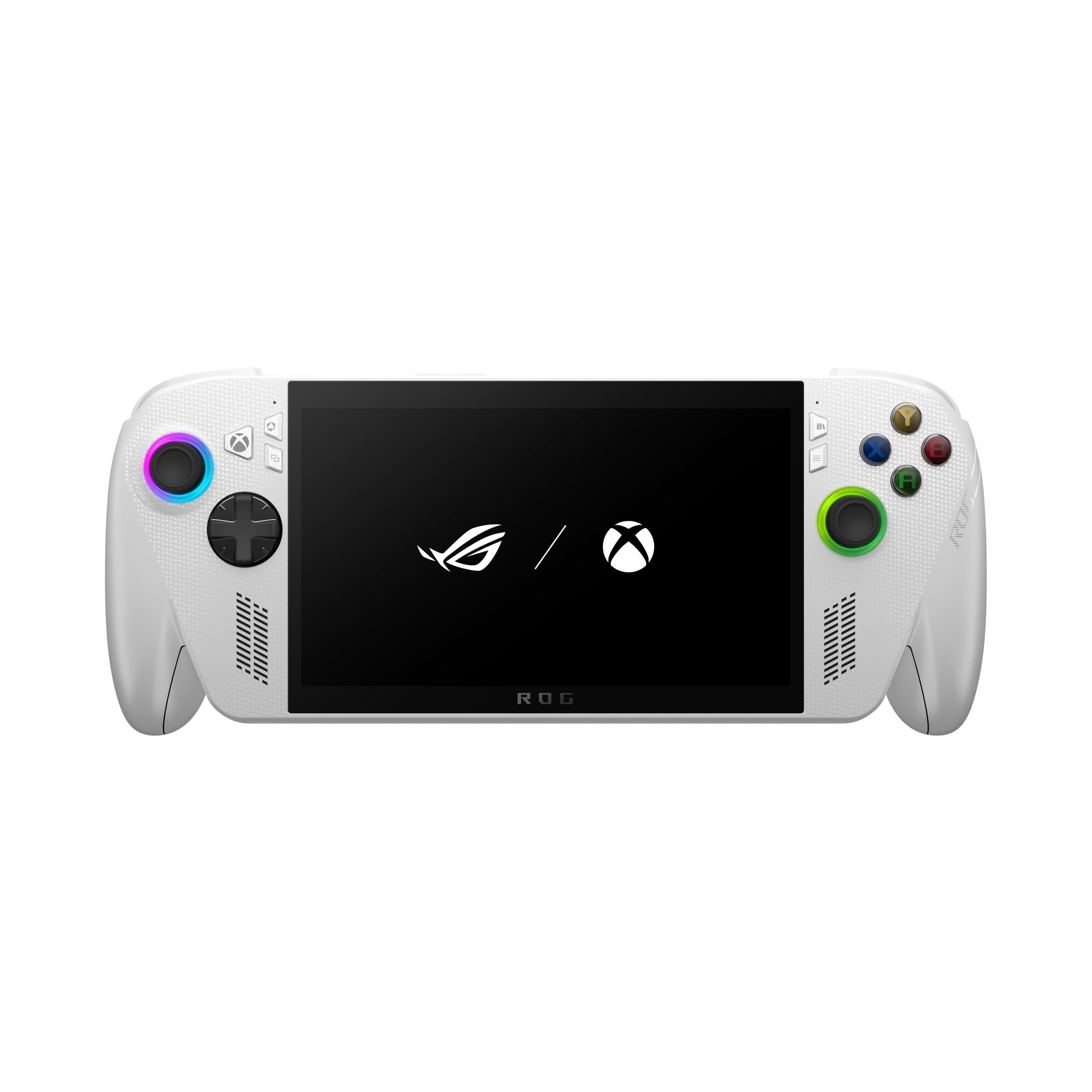
ASUS ROG Xbox Ally | Handheld Gaming Console | AMD Ryzen Z2 A Processor | 7" Full HD 120Hz IPS 500nits Touchscreen | 16GB RAM | 512GB PCIe SSD | Windows 11

Lenovo Legion Go Handheld Gaming Console | 8.8 inch 2K Display | Detachable Controllers | AMD Ryzen Z1 Extreme | 16GB RAM | 512GB SSD | Windows 11 Home | 3 Months Xbox Games Pass
Our Recommendation
Buy the ASUS ROG Xbox Ally unless you are specifically chasing the bigger screen and faster Z1 Extreme performance of the Legion Go. The ASUS gives you 16GB RAM, 512GB SSD, a 120Hz display, and Windows 11 for £303.39 less, which is an exceptional value gap. For most buyers, that price difference is too large to justify Lenovo’s upgrades. The ASUS is the smarter purchase for the majority of shoppers.
Detailed Comparison
Display
The Lenovo Legion Go wins the display category. Its 8.8-inch 2K panel is dramatically larger than the ASUS ROG Xbox Ally’s 7-inch Full HD screen, which makes games easier to see, menus easier to navigate, and desktop use far less cramped. The Legion Go also gives you more screen real estate for strategy games, RPGs, and Windows tasks, while the ASUS counters with a 120Hz IPS panel and 500 nits brightness, which are excellent specs for smoothness and outdoor visibility. Still, size and resolution matter most here, and Lenovo’s screen is the more premium experience overall.
Performance
The Lenovo Legion Go wins performance. Its AMD Ryzen Z1 Extreme is the stronger chip compared with the ASUS ROG Xbox Ally’s Ryzen Z2 A, and that matters when you want higher frame rates, better settings, and more headroom in demanding games. Both systems include 16GB RAM and 512GB storage, so the difference comes down to the processor and the gaming ceiling it creates. The ASUS should still handle indie titles, esports games, and many AAA games at sensible settings, but the Lenovo is the better choice if you care about squeezing more performance out of modern PC games.
Build quality and design
This is a split category, but Lenovo edges it overall for versatility, while ASUS wins for simplicity and portability. The Legion Go’s detachable controllers are a major differentiator, giving it a more flexible design for tabletop play and desktop-style use. That said, detachable controllers also add complexity and bulk, and the device is likely less convenient to carry around than the smaller ASUS. The ROG Xbox Ally’s 7-inch form factor should be easier to hold for longer sessions and more travel-friendly. If you want the most adaptable design, Lenovo wins; if you want a cleaner, more compact handheld, ASUS is the easier daily carry.
Battery life
The ASUS ROG Xbox Ally is the safer bet for battery life, though neither product has published battery data in the specs provided. A lower-power Ryzen Z2 A processor in a smaller 7-inch 1080p system should generally be easier to run efficiently than the Legion Go’s larger 2K panel and faster Z1 Extreme chip. The Lenovo’s bigger display and stronger CPU are likely to draw more power under load, especially in demanding games. Without exact battery numbers, this is still a reasoned hardware-based advantage for ASUS.
Price and value for money
The ASUS ROG Xbox Ally wins decisively on value. At £396.60, it is £303.39 cheaper than the Lenovo Legion Go at £699.99, which is an enormous gap in the handheld market. For that lower price, you still get 16GB RAM, 512GB SSD storage, a 120Hz touchscreen, and Windows 11, which makes the ASUS look like the better entry point for most buyers. The Lenovo’s extra money buys a larger display, faster chip, and detachable controllers, but the price premium is so steep that it only makes sense if those upgrades are genuinely important to you.
Game library and features
Both devices run Windows 11, so both can access the same broad PC game libraries: Steam, Epic Games Store, Xbox app, Battle.net, and more. The Lenovo Legion Go gets a small bonus from the included 3 months of Xbox Game Pass, which adds immediate value for new buyers. However, ASUS’s Windows 11 setup is equally flexible for libraries and launchers, and the lower purchase price leaves more budget for games or accessories. On features alone, Lenovo has the nicer bundle; on long-term ownership value, ASUS still comes out ahead because it costs so much less.
Overall user experience
The Lenovo Legion Go feels like the more ambitious device: bigger screen, stronger performance, detachable controllers, and a more premium feature set. If you want a handheld that doubles as a mini gaming PC and you do not mind paying for it, it delivers the more impressive hardware experience. But the ASUS ROG Xbox Ally is the easier recommendation for most people because it covers the essentials well, is more portable, and costs less than 60% of the Lenovo’s price. For many buyers, the Legion Go’s upgrades are nice rather than necessary.
Overall summary: Lenovo wins on display, performance, and feature-rich design, but ASUS wins on price, portability, and likely battery efficiency. If you want the best overall value and a more practical handheld to buy today, the ASUS ROG Xbox Ally is the better choice. If you specifically want the biggest screen and fastest hardware and are willing to pay a large premium, the Lenovo Legion Go is the more premium machine.
Buy the ASUS ROG Xbox if...
Buy Product A if you want the best handheld for the money and plan to play mostly at home, on the couch, or while traveling. It is the better choice if you care more about keeping costs down than having the biggest screen or highest-end chip. It is also the better pick if you want a simpler, more compact device that should be easier to carry and hold.
Buy the Lenovo Legion Go if...
Buy Product B if you want the more premium handheld experience and are willing to pay a very large premium for it. Choose it if you value the 8.8-inch 2K screen, stronger Ryzen Z1 Extreme performance, and detachable controllers for tabletop flexibility. It is the better fit for buyers who want the most impressive hardware and do not mind the higher price.
Curated by Light Gun Gamer on All The Top Picks
As an Amazon Associate we earn from qualifying purchases.